Director: Philippe Le Guay
Writers: Philippe Le Guay, Jérôme Tonnerre
Stars: Fabrice Luchini, Sandrine Kiberlain and Natalia Verbeke
104 min – Comedy
In 1960s Paris, a conservative couple’s lives are turned upside down by two Spanish maids.
Director: Philippe Le Guay
Writers: Philippe Le Guay, Jérôme Tonnerre
Stars: Fabrice Luchini, Sandrine Kiberlain and Natalia Verbeke
104 min – Comedy
In 1960s Paris, a conservative couple’s lives are turned upside down by two Spanish maids.
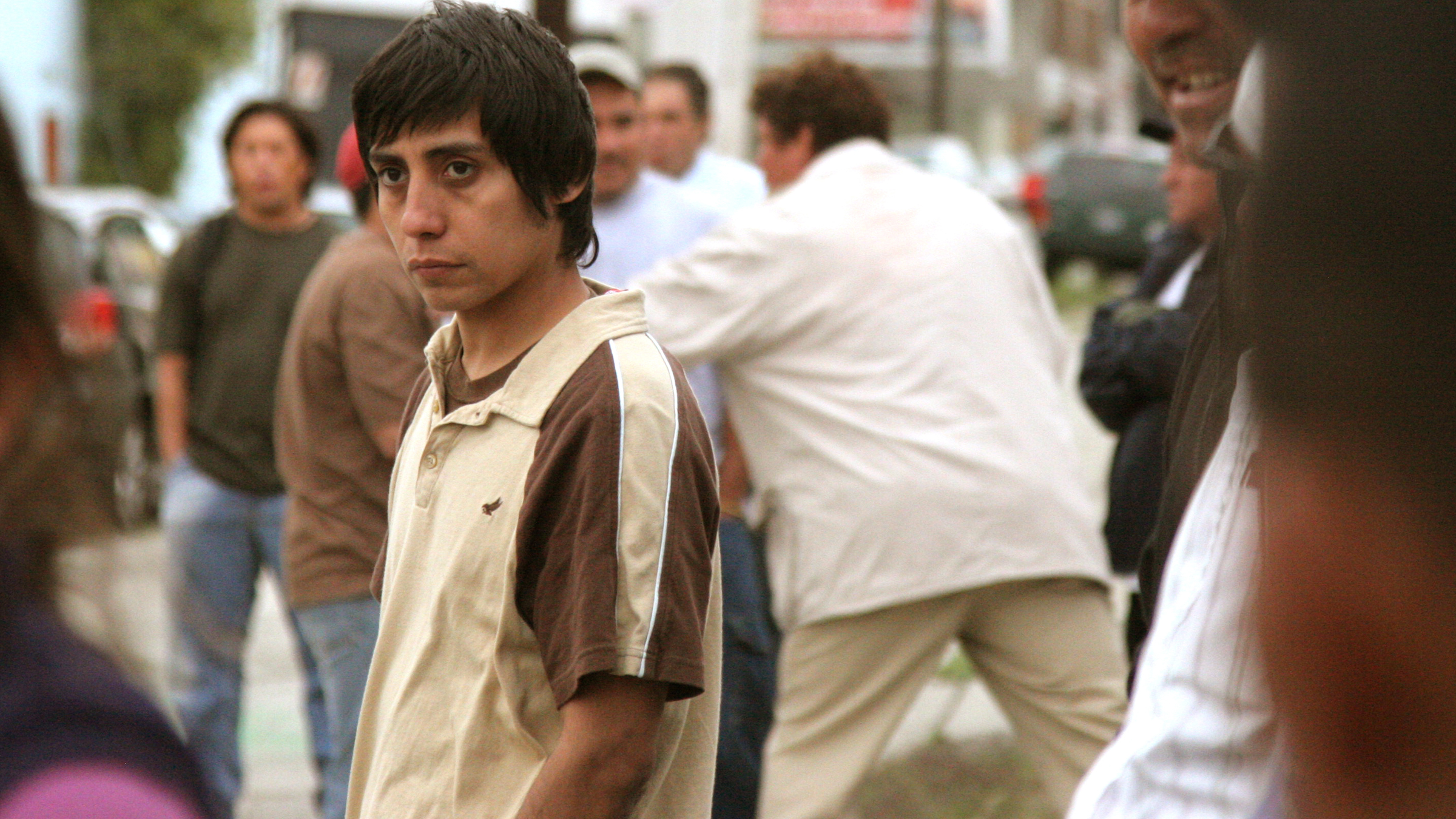
2008
written/directed by Rajeev Dassani
35mm in color, 17m
screening formats available: 35mm print, HDCAM, Digibeta, Betacam, DV or DVCAM, and DVD.
Alone in Los Angeles, Enrique doesn’t speak a word of English. Forced to work as a day laborer to earn money for loved ones back home, his loyalties are put to the test when a simple job escalates into a matter of life and death.
Synopsis: Enrique is a young man far from home trying to make a living wage as a day laborer on the streets of Los Angeles. He thinks he has finally caught a break when Marcus and Kathy pick him up, along with two other immigrant laborers, to help them move. On the job Enrique meets and befriends their teenage son Zack as he helps pack up his childhood room. But things quickly take a turn for the worst when Marcus attempts to pay the men with a check, unaware that day laborers are often cheated out of their wages with bad checks. A simple misunderstanding explodes into a violent standoff with Enrique stuck in the middle.
“A Day’s Work” examines the hopes and fears inherent to the immigrant story, both on the part those crossing the border and those learning to live in a rapidly changing America. When violence erupts, the prejudices of all involved are brought to light and mistrust, assumption and language stand as barriers to an easy resolution.
http://www.daysworkfilm.com/index.html
Director: Jan Nimmo
Cameroon/ Scotland
between 2.30 mins and 4 mins
A collection of banana workers’ testimonies filmed in the Fako region of Cameroon. These short stories give the viewer an intimate insight into what daily life is like for workers who produce bananas for the European market. The online testimonies were edited for Make Fruit Fair/ Banana Link and these stories are also available as a video wall installation for exhibitions and events.
The films are currently being edited into one short film of around 18 mins for festival distribution – for more information contact Jan Nimmo: jan@greengold.org.uk
produced and directed by Cheryl Quintana Leader
USA, 2009, 27 Minute Running Time
The Coachella Valley’s notorious Duroville trailer park is home to many Purépecha, a Mesoamerican people with a proud and ancient history. This is the story of their struggle to maintain their community in the face of the government’s attempts to close the park down, and an owner who has let the park deteriorate to a dangerously unhealthy state.
The Purepecha, an indigenous Indian tribe of between 2,000 and 6,000 migrant farm working families (depending on the ‘picking season’), originating from Michoacan, Mexico, now reside and work in Coachella Valley, California and have been described by the Los Angeles Times as the “poorest of the poor.”
One hot summer day, a young Latina youth, Stephanie Maldonado, from a disadvantaged city neighborhood, sets out to discover that many who reside in Duroville, a dilapidated and broken down trailer park, are just minutes from one of the most wealthiest tourist destinations and provider of a billion dollar crop industry. It is here, despite inadequate living or working conditions, that the Purepecha still remain dutifully providing much of the harvesting of America’s fruits and vegetables.
More details available on the The Purepecha: Poorest of the Poor website.
Ma part du gâteau
After losing her job at a local factory, a single mother enrolls in a housekeeper training program, soon landing work cleaning the Paris apartment of handsome but cocky power broker, who happens to be the same one responsible for the layoffs at her factory.
Director: Cédric Klapisch
Writer: Cédric Klapisch (scenario)
Stars: Karin Viard, Gilles Lellouche and Audrey Lamy | See full cast and crew
DIR Roger Michell; SCR Aline Brosh McKenna PROD J.J. Abrams, Bryan 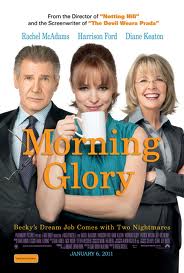 Burk. US, color, 107 min. RATED PG-13
After hard-working producer Rachel McAdams gets fired from her lackluster suburban New Jersey morning show, she lands a new job producing the lowest-rated network morning talk show in New York City. This decidedly mixed blessing includes wrangling randy host Ty Burrell, in bad need of training about sexual harassment in the workplace, and former beauty queen Diane Keaton, frosty behind her fake smile. Meanwhile, disgruntled serious newsman Harrison Ford, McAdams’ idol, is idling away, playing out his contract before retirement. Would he go for a morning show makeover? Time to get to work! Director Roger Michell gets the best from his game cast; screenplay by Aline Brosh McKenna (THE DEVIL WEARS PRADA). “It grows from human nature and is about how people do their jobs and live their lives. It is wisely not about a May-October romance between McAdams and Ford. It’s more about their love for their work.”—Roger Ebert.
New Day Films is a filmmaker-run distribution company providing award-winning films to educators since 1971. Democratically run by more than 100 filmmaker members, New Day delivers over 150 titles that illuminate, challenge and inspire.
New Day carries a number of labor-themed films: check under “Immigration & Border Studies” (examples include abUSed: The Postville Raid; The Elevator Operator; The Global Assembly Line; Golden Venture; Los Trabajadores/ The Workers and Maid in America); Human Rights & Global Concerns (A Day’s Work, A Day’s Pay) and Sociology, Political Science & Anthropology (Bonecrusher)
Directed by Peter Nicks
Unrated, 1 hr. 21 min.
24 hours in a public hospital emergency room waiting room.
The Waiting Room is a character-driven documentary film that uses extraordinary access to go behind the doors of an American public hospital struggling to care for a community of largely uninsured patients. The film – using a blend of cinema verité and characters’ voiceover – offers a raw, intimate, and even uplifting look at how patients, staff and caregivers each cope with disease, bureaucracy and hard choices.
The ER waiting room serves as the grounding point for the film, capturing in vivid detail what it means for millions of Americans to live without health insurance. Young victims of gun violence take their turn alongside artists and small business owners who lack insurance. Steel workers, taxi cab drivers and international asylum seekers crowd the halls. The film weaves the stories of several patients – as well as the hospital staff charged with caring for them – as they cope with the complexity of the nation’s public health care system, while weathering the storm of a national recession.
The Waiting Room lays bare the struggle and determination of both a community and an institution coping with limited resources and no road map for navigating a health care landscape marked by historic economic and political dysfunction. It is a film about one hospital, its multifaceted community, and how our common vulnerability to illness binds us together as humans.
trailer at whatruwaitingfor.com
28:43; U.S.
Director: Will Delphia
Synopsis: A documentary film examining the Alta Gracia factory in the Dominican Republic, a new college apparel company attempting to challenge the sweatshop model of production by creating a factory with living wages, good working conditions, and an independent trade union.
Full Film
Director: Alfonso Moral & Roser Corella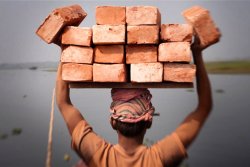
Spain, 2011, 14min
Format: HDCam (screening) – DigiBeta, BetaSP (shooting)
Festival Year: 2012
Category: Documentary
Crew: Editor, Cinematographer: Alfonso Moral
Email: roser.corellagmail.com
synopsis
A reflection on modernity and global development, documenting the use of human physical force to perform work in the 21st century. The film takes place in the capital of Bangladesh, where the ‘machine men’ execute different physical works, a mass of millions of people who become the driving force behind the city.
director
Alfonso Moral and Roser Corella have collaborated on a number of documentaries, shooting in Lebanon, Mozambique, Bangladesh, Kenya and Senegal. They combine this joint work with individual work, making photo and video reports for different media, television and press, including Catalan TV, La Vanguardia or Le Monde. “Machine Man” is their first auteur documentary.

 THE LABOR FILM DATABASE