http://www.wmm.com/filmcatalog/pages/c826.shtml
Category Archives: Documentary
In Dreamworks China
Directed by: Tommaso Facchin
Documentary Feature (56 minutes)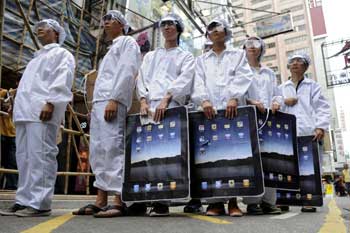
In Dreamworks China, in the suburbs of Shenzhen, in Guangdong province, young workers talk about their lives, existences built on a precarious balance between hope, struggles and wishes for the future. Around them activists and NGO’s strive to give sense and meaning to words like rights, dignity and equity. This is an important film in understanding China in the age of Apple and Foxconn, the huge Chinese manufacturer of IPhones.
Frozen Happiness
Directed by: Tami Gold, Gerardo Renique and Mariano Wainsztein
Documentary short. (30 minutes)
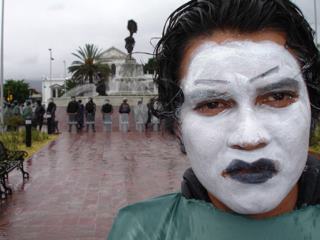
Based on personal testimonies FROZEN HAPPINESS recounts the struggle of a mother and her children to gain the freedom of their husband and father. Falsely charged with the assassination of New York-based Indy-reporter Brad Will, APPO (Popular Assembly of the Peoples of Oaxaca) supporter and community activist Juan Manuel Martinez endured sixteen months of unjust imprisonment. With the support and solidarity of participants in the 2006 popular uprising and members of APPO the struggle of the family turned into a broader campaign demanding the freedom of Juan Manuel and an end to impunity. Set against the first democratic change of government in eighty years the video bears witness to the power of solidarity and independent mobilization.
Fluoridegate: An American Tragedy (2013)
Directed by: David Kennedy
Documentary Feature (65 minutes) 2013
Fluoride, which has been added to the drinking water of most Americans for decades, turns out to be quite dangerous, according to the scientists and health officials in this film. Several of them lost their jobs for being whistleblowers. This film follows their efforts to clear their own names as well as to warning us about this industrial waste poison masquerading as a beneficial public service. The tragedy is that government, industry and trade associations are protecting and promoting a policy known to cause harm to our health. Eye opening.
Edible City: Grow The Revolution (2012)
Directed by: Andrew Hasse
Documentary Feature (71 minutes) 2012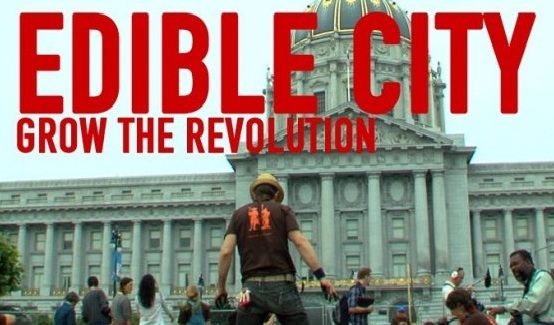
Edible City is a fun, fast-paced journey through the local Good Food Movement that’s taking root in the San Francisco Bay Area, across the nation and around the world. Edible City digs into the unique perspectives and transformative work of organizers and local working folks– from edible education to grassroots activism to building local economies– finding hopeful solutions to monumental problems. Inspirational, down-to-earth and a little bit quirky, Edible City captures the spirit of a movement that’s making real change and doing something truly revolutionary: growing the model for a healthy, sustainable local food system.
http://www.ediblecitythemovie.com/
Your Day Is My Night (2012)
 Directed by Lynne Sachs, Co-Director Sean Haley
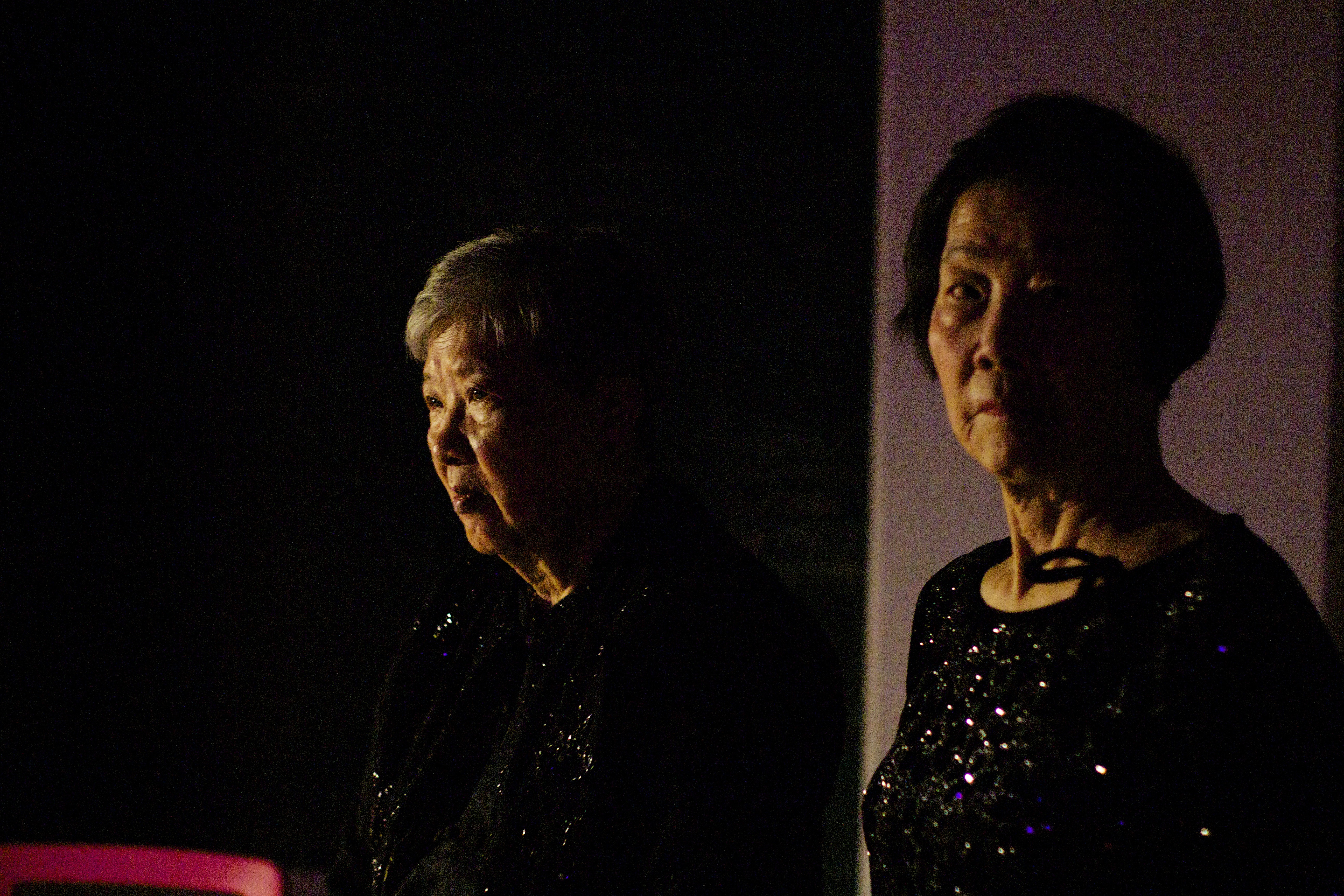
Part Documentary, part narrative, completely enlightening look at what it means to be a Chinatown NY resident for decades and still sharing a bed by shifts, called “shift-bedding.” This film had it’s world premier in February at The Museum of Modern Art’s Doc Fortnight.
“Since the early days of New York’s Lower East Side tenement houses, working class people have shared beds, making such spaces a fundamental part of immigrant life. Initially documented in Jacob Riisʼ now controversial late 19th Century photography, a “shift-bed” is an actual bed that is shared by people who are neither in the same family nor in a relationship. Simply put, it’s an economic necessity brought on by the challenges of urban existence. Such a bed can become a remarkable catalyst for storytelling as absolute strangers become de facto confidants.
In this provocative, hybrid documentary, the audience joins a present-day household of immigrants living together in a shift-bed apartment in the heart of Chinatown. Seven characters (ages 58-78) play themselves through autobiographical monologues, verité conversations, and theatrical movement pieces. Retired seamstresses Ellen Ho and Sheut Hing Lee recount growing up in China during the turmoil of the 1950s when their families faced violence and separation under Chairman Maoʼs revolutionary, yet authoritarian regime. Yun Xiu Huang, a nightclub owner from Fujian Province, reveals his journey to the United States through the complicated economy of the “snakehead” system, facing an uphill battle as he starts over in a new city.
With each “performance” of their present, the characters illuminate both the joys and tragedies of their past. As the bed transforms into a stage, the film reveals the collective history of Chinese immigrants in the United States, a story not often documented. Further, the intimate cinematography and immersive sound design carry us into the dreams and memories of the performers, bringing the audience into a community often considered closed off to non-Chinese speakers. Through it all, “Your Day is My Night” addresses issues of privacy, intimacy, and urban life in relationship to this familiar item of household furniture.”
The Lithuanian Jungle – Upton Sinclair-inspired Documentary
Trailer for “The Lithuanian Jungle”, the documentary feature film from Storytellers International coming in 2011. The film is based on the characters in the book “The Jungle” by Upton Sinclair. Filmed on location in Chicago and told in a investigative journalism style by filmmakers Randy Richards, Giedrius Subacius and Risé Sanders, this documentary reveals the unknown characters behind the literary classic.
 THE LABOR FILM DATABASE